No Man, Only The Moon
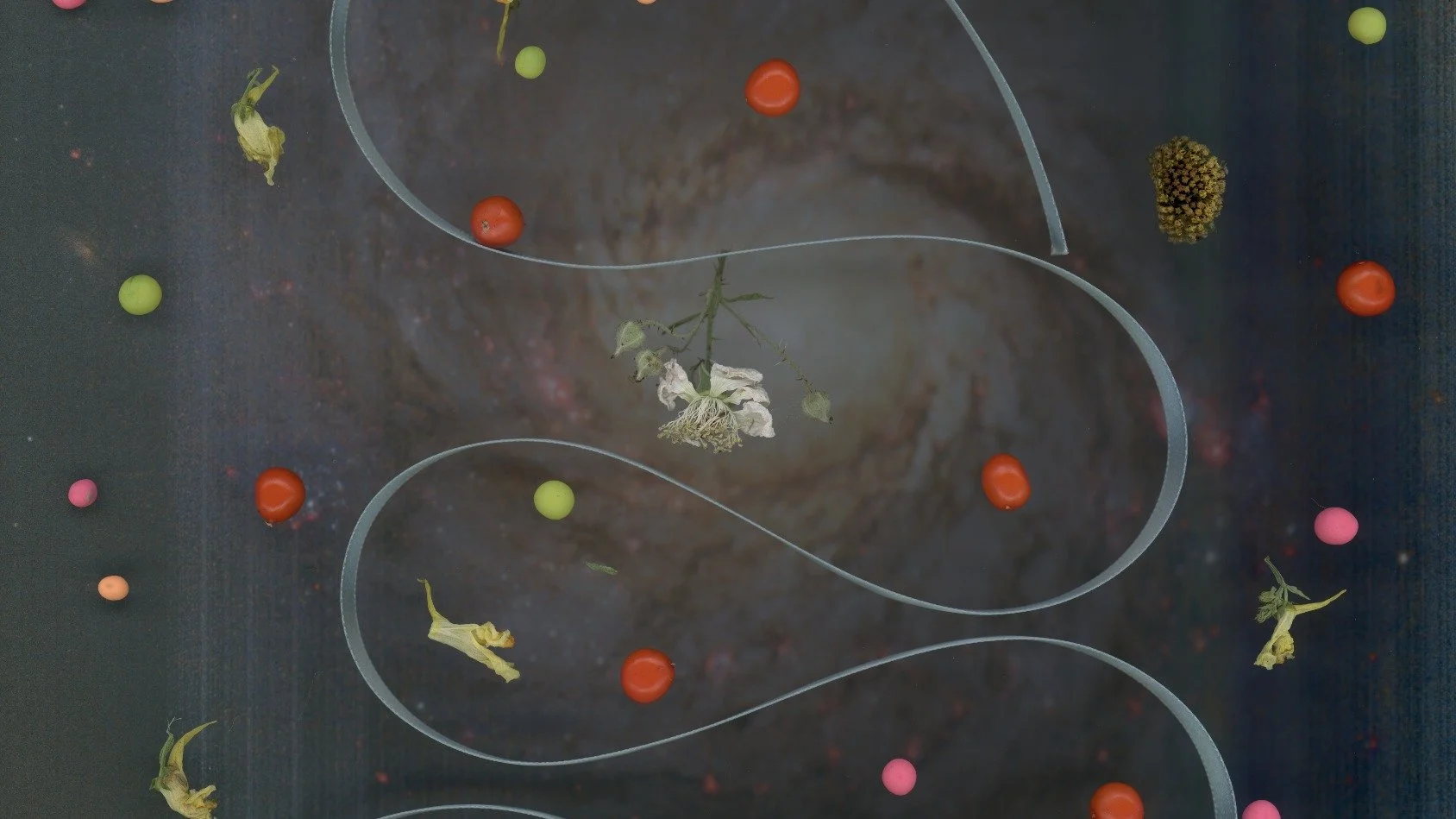
No Man, Only the Moon (2026)
In 1972, on the last mission to carry people to the Moon, astronauts took The Blue Marble: the first photograph of the whole, sunlit Earth taken by human hands. For a moment we saw our home from the outside, small and complete, floating in the dark.
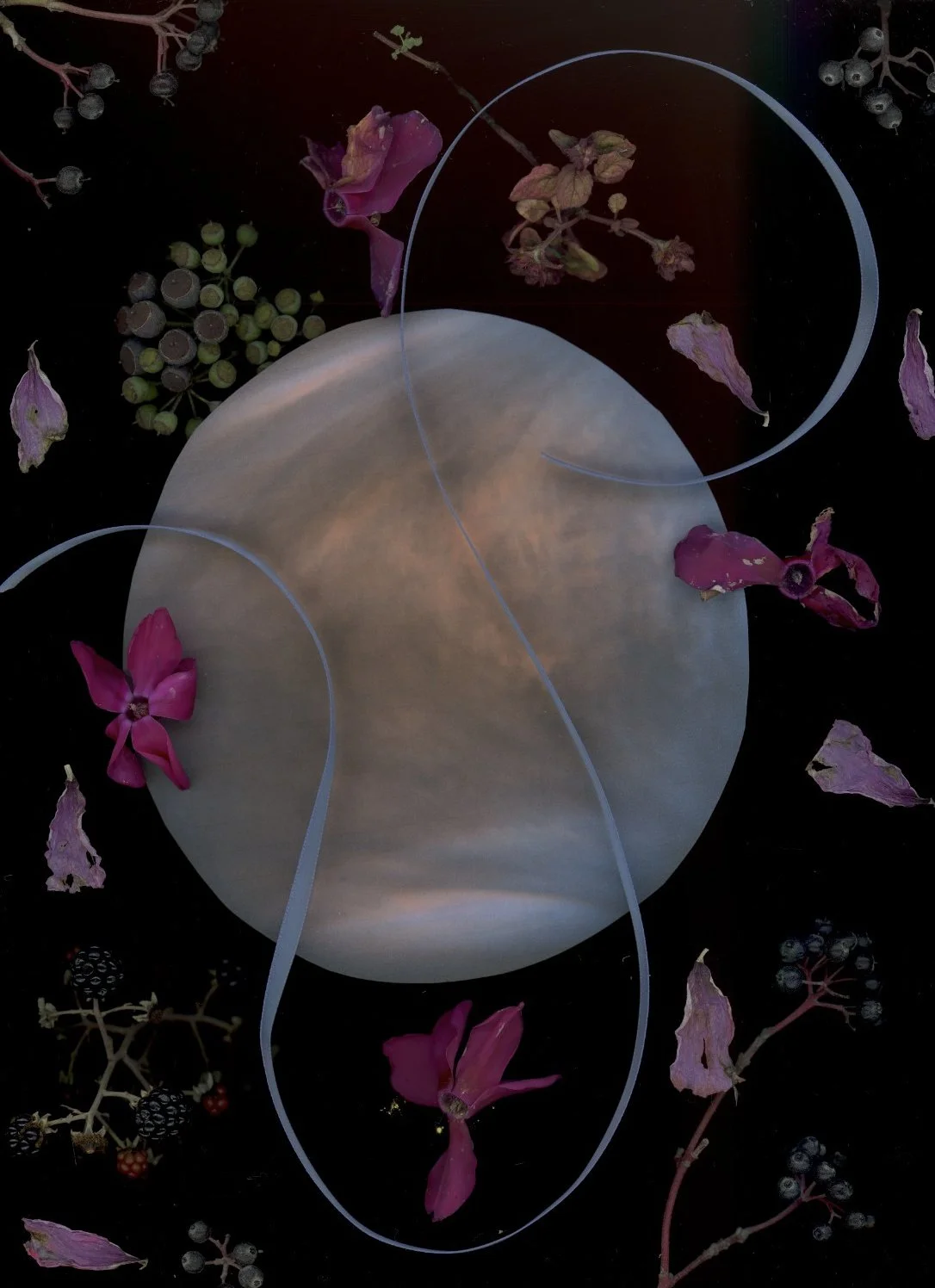
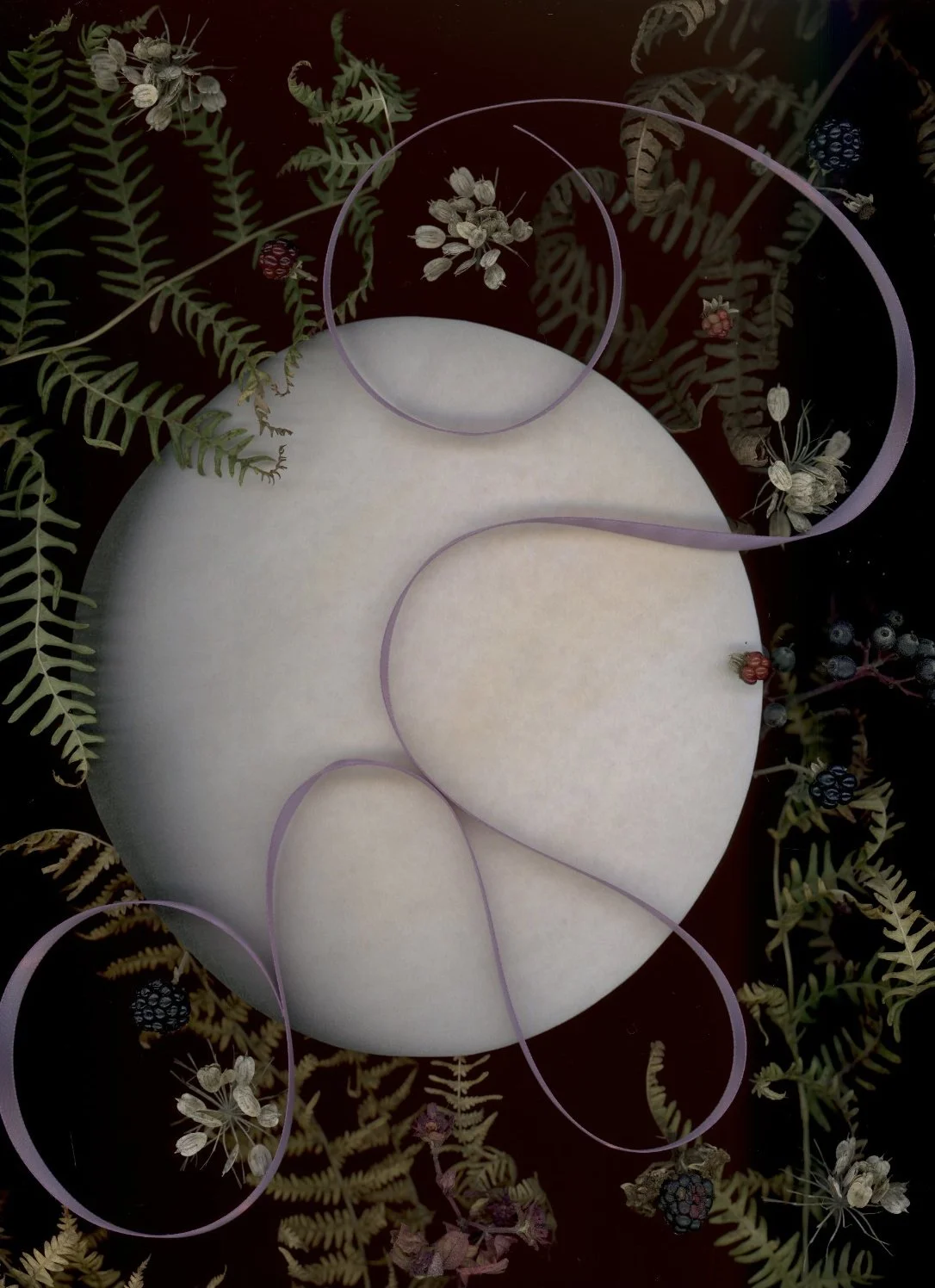
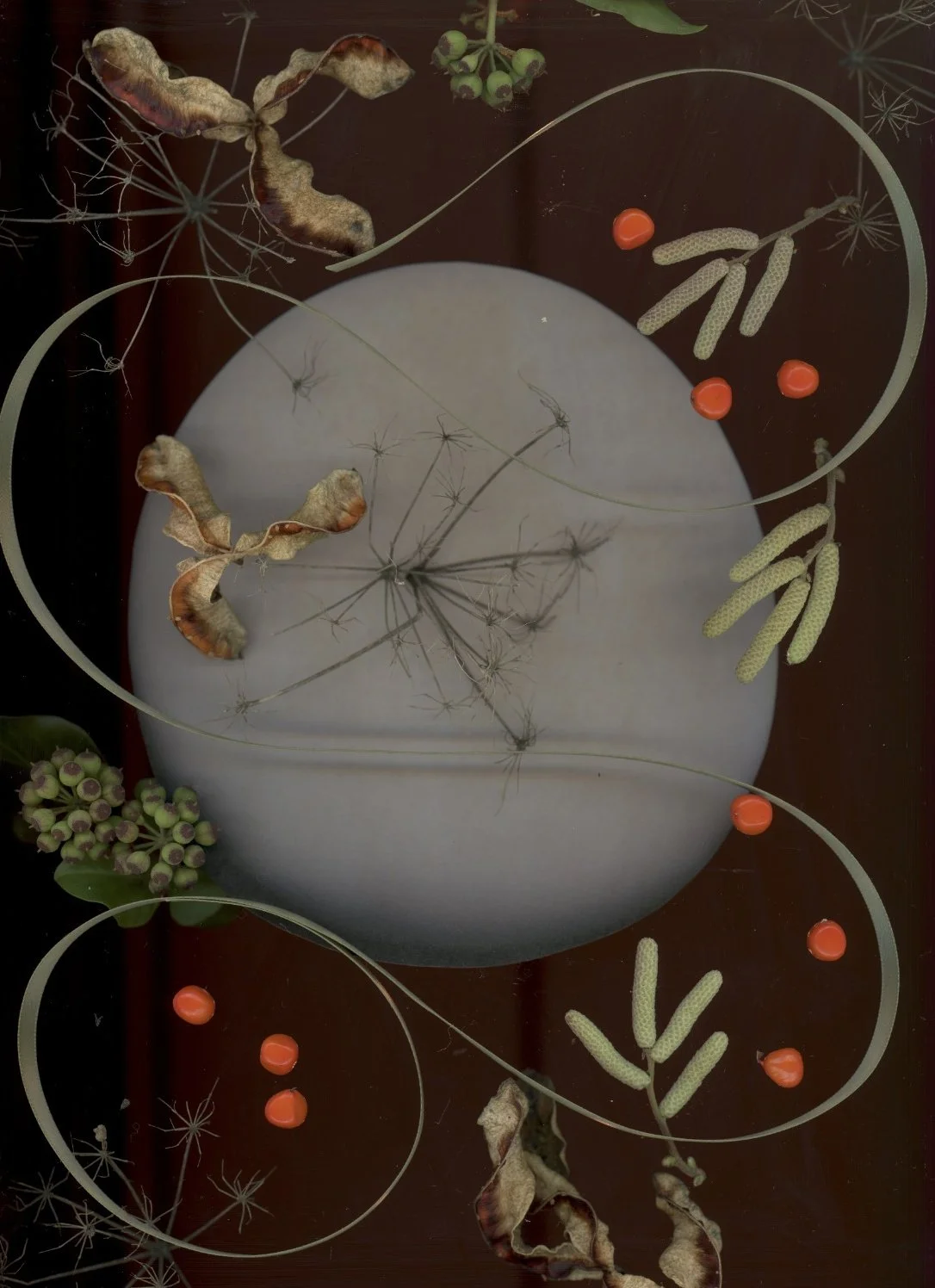
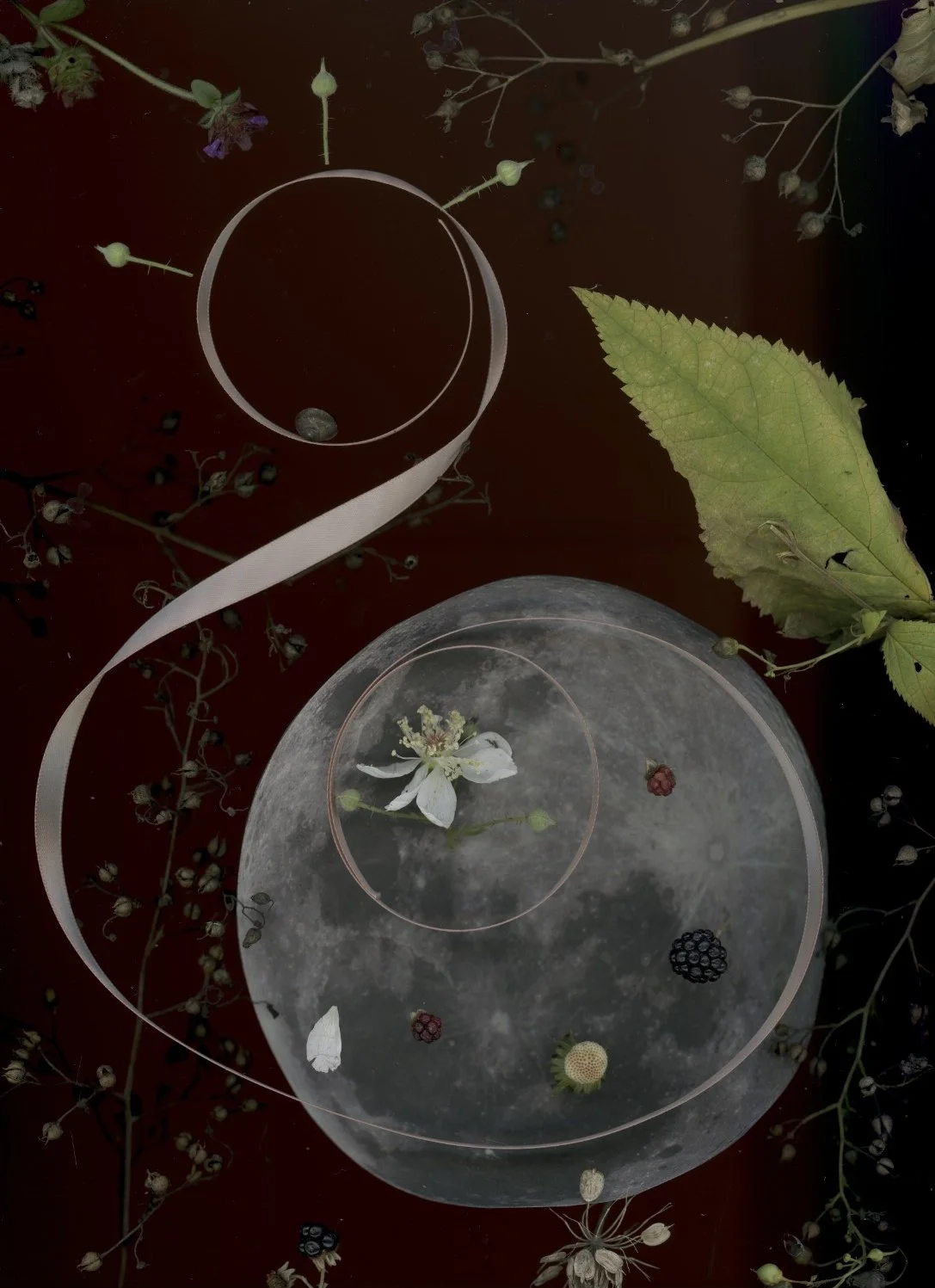
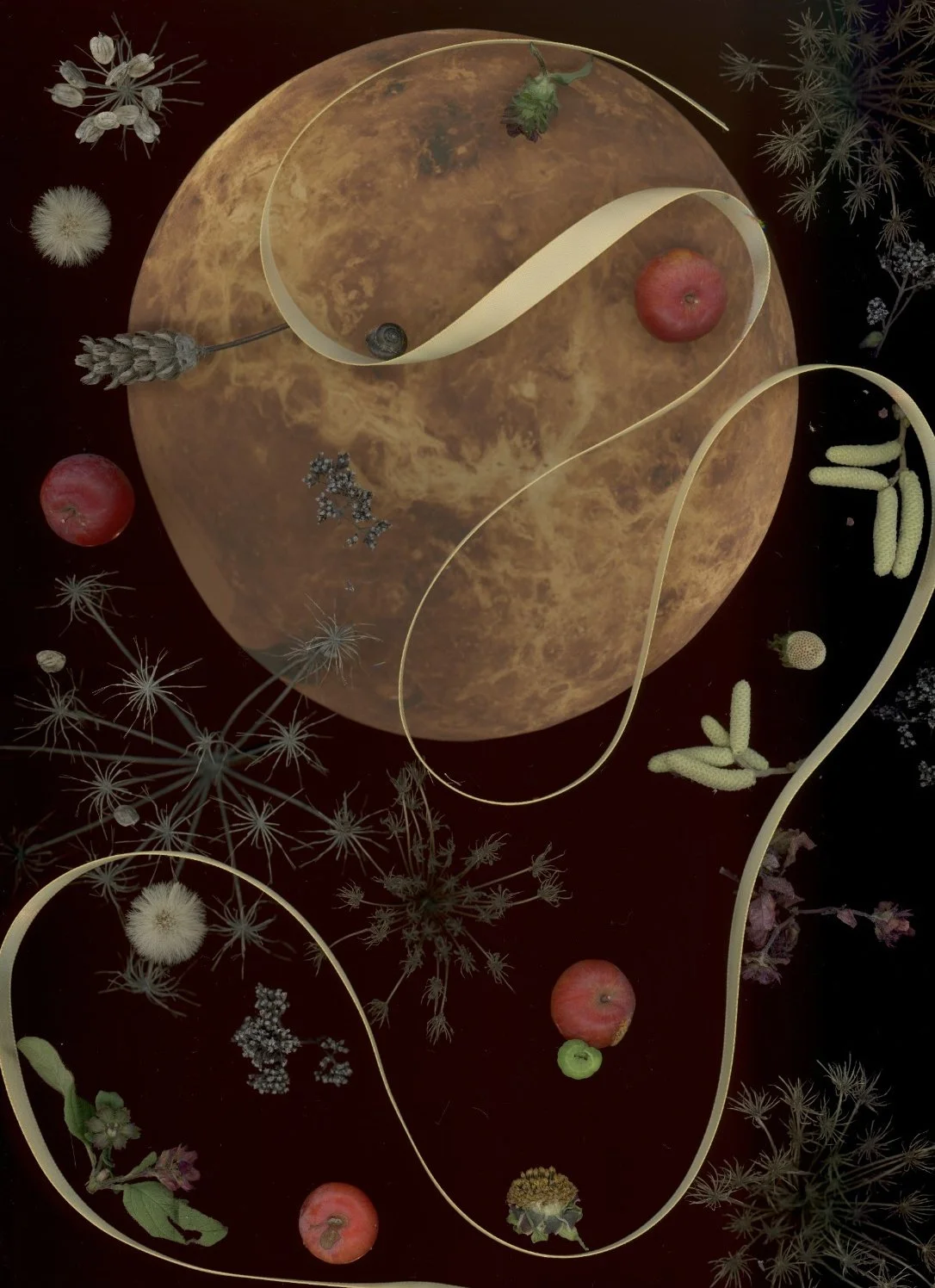
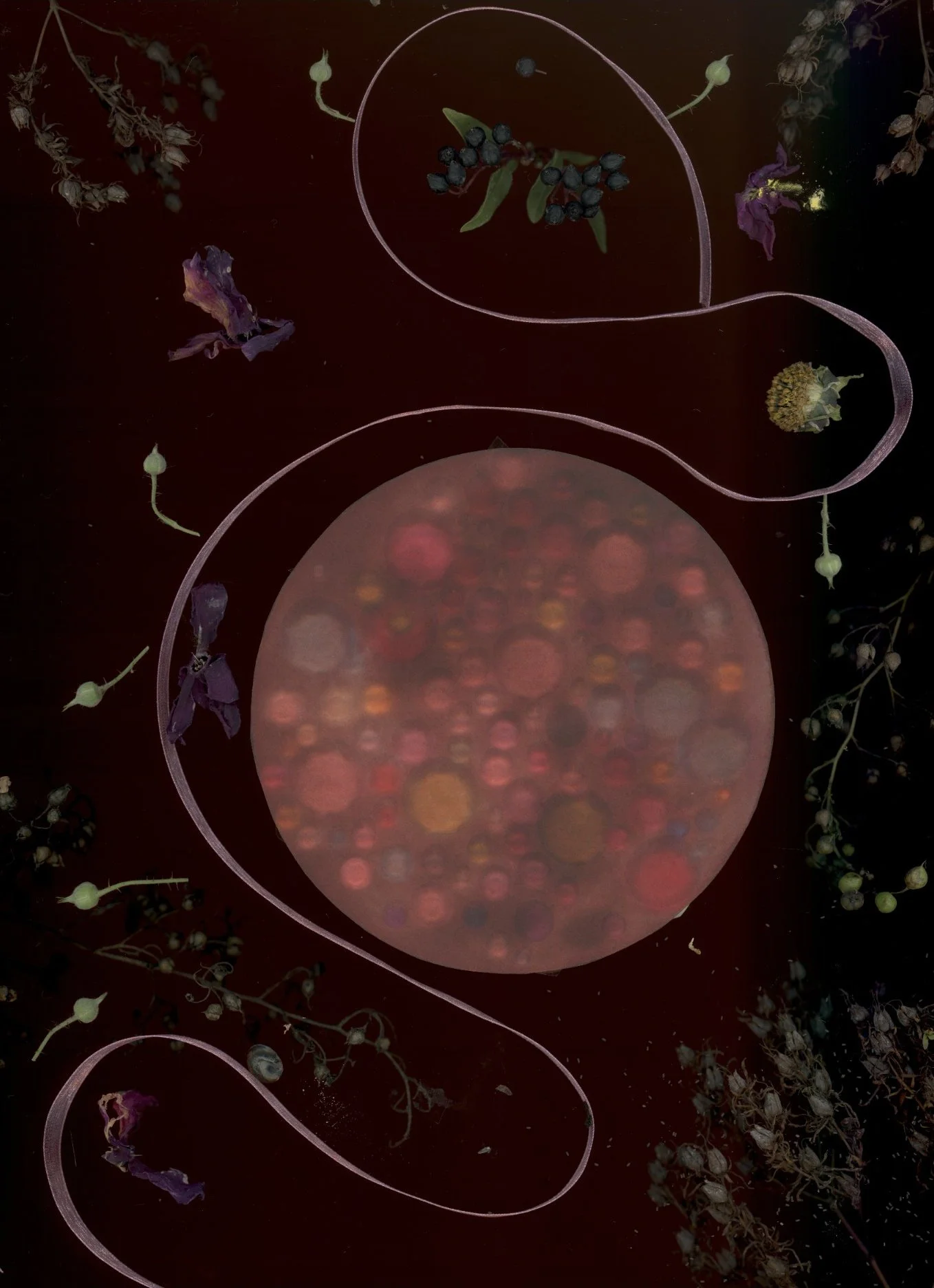
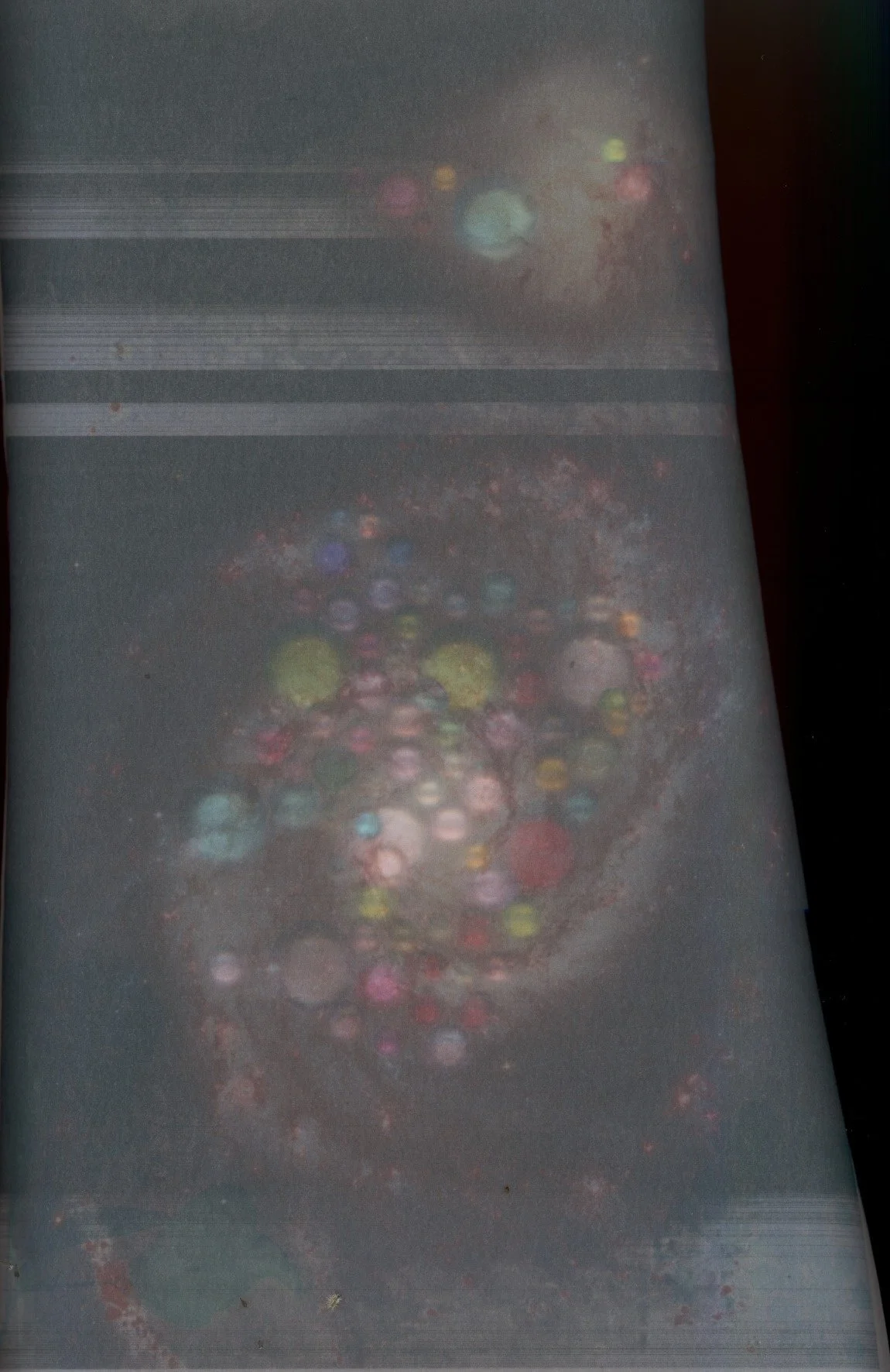
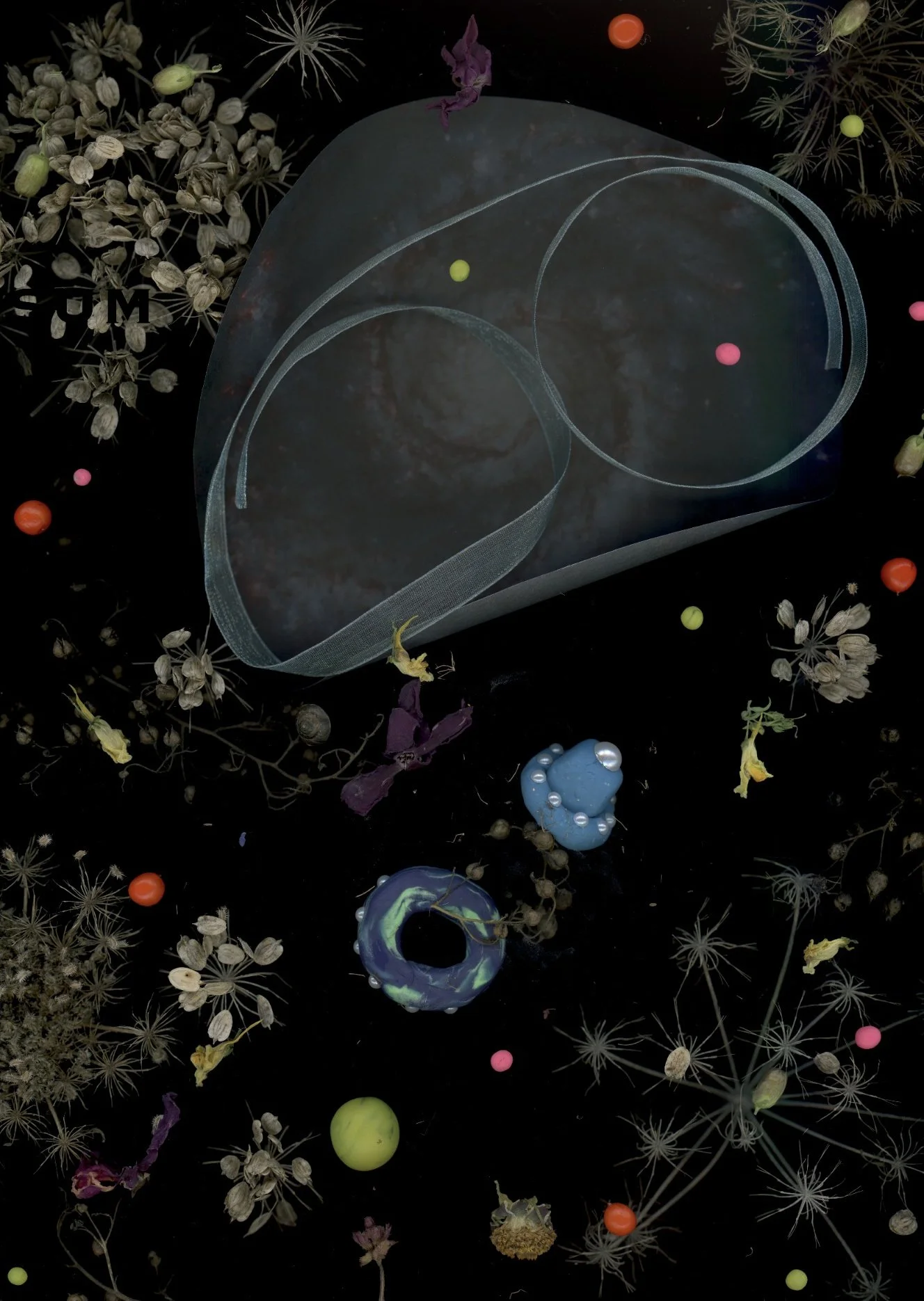
Anna Skladmann's series starts from that picture and turns its view around. She doesn't look out from a spacecraft. She looks down into the glass bed of a scanner. Since becoming a mother, she has filled it with what family life leaves behind: Play-Doh, trinkets, spilled milk. The scanner has no lens and no single point of view. It records whatever touches its surface, so play itself becomes the way the images are made.
Skladmann describes early motherhood as a kind of psychedelic experience: sleepless, boundless and colour-saturated, where time dissolves and the smallest object can hold a universe. In No Man, Only the Moon these arrangements open out into the cosmos. Moons and galaxies drift among seed heads and ribbon, and the domestic and the infinite share one frame. Like The Blue Marble, each work holds a whole world at a scale we can take in, seen this time through a mother's eyes rather than an astronaut's.